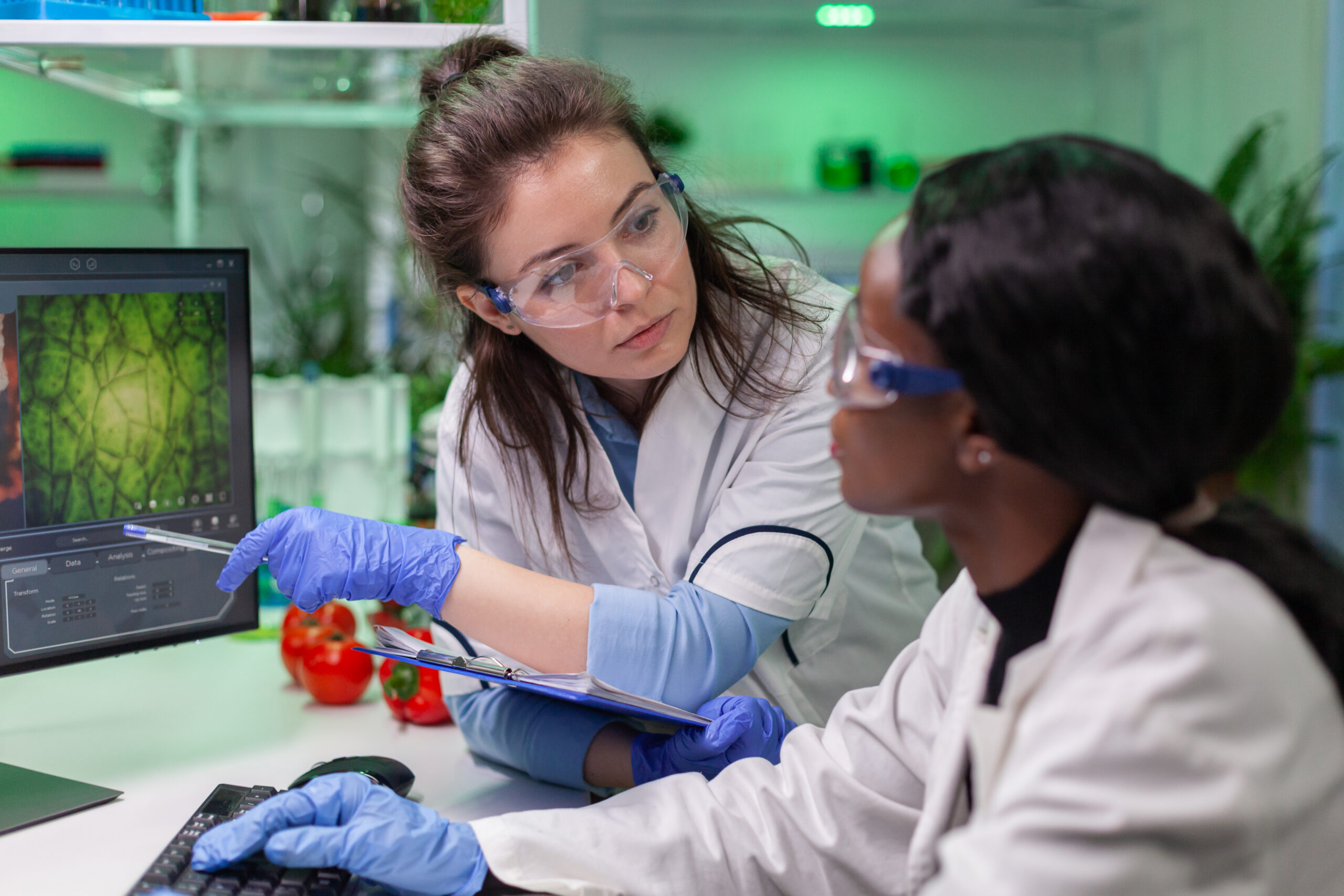
If you are a woman working in science, technology, engineering, or mathematics, this is the article you need to read right now. The number of funded women in STEM fellowships and leadership programs available in 2027 are many, and yet many qualified women either do not know they exist or feel they are not good enough to apply.
Let me help you fix that today.
Women in STEM continue to face structural barriers that limit their progress, from hiring biases to pay gaps, to being overlooked for leadership roles. But across the globe, institutions, governments, and private foundations are responding with real money and real resources to change this. Fellowships, grants, and leadership programs designed specifically for women in STEM are now more accessible than ever before.
This article walks you through what these fellowships are, who qualifies, what they cover, and where to find them.
Why the Gender Gap in Women in STEM Still Exists in 2027
You would think that by 2027, we would have solved this challenge. We have not.
According to UNESCO, women make up less than 30% of the global scientific research workforce. In engineering and computer science, the numbers are even lower. What is more painful is that many of these women drop out not because of lack of ability, but because of systemic issues that were never designed with them in mind.
The lack of mentorship, the absence of visible role models, family responsibilities that institutions refuse to account for, and the kind of subtle discouragement that is hard to prove but deeply felt. These are the things no scholarship brochure talks about.
The pipeline is not the problem. Women are entering STEM in record numbers. The problem is what happens after they enter.
This is exactly why leadership fellowships and funded programs for women in STEM matter so much. They do not just give money. They give networks, mentorship, visibility, and career capital that can completely change a woman’s trajectory.
Top Funded Women in STEM and Leadership Fellowships to Apply for in 2027
1. L’Oreal-UNESCO For Women in Science International Awards
This is one of the most prestigious fellowships for women in STEM anywhere in the world. It was established in 1998, and awards five female scientists each year at the laureate level, while also providing fellowships to young researchers in different regions.
- Open to women researchers at the postdoctoral level
- Covers life sciences, physical sciences, mathematics, and computer science
- Provides up to USD 100,000 in funding
- Includes international recognition and media visibility
Apply here: https://www.forwomeninscience.com
2. AAAS Mass Media Fellowship (Science Communication Track for Women)
The American Association for the Advancement of Science runs a fellowship designed to help scientists, including many women in STEM, communicate research to the public through mainstream media. This is particularly valuable for women who want to build visibility and thought leadership outside academia.
- Open to graduate students and postdocs in STEM fields
- Provides a paid 10-week summer placement at a major news outlet
- Focuses on science communication and public engagement
- Strong alumni network in science media and policy
3. Hertz Foundation Fellowship
The Fannie and John Hertz Foundation offers fellowships to PhD students in applied physical, biological, and engineering sciences. Although it is not exclusively for women, they have been intentionally increasing support for women in STEM through targeted outreach.
- Worth up to USD 250,000 over five years of PhD study
- Includes personal mentorship from Hertz Fellows
- Annual retreats and networking opportunities
- Focused on high-impact innovation and scientific leadership
4. The Schlumberger Foundation Faculty for the Future Fellowship
This is one of the best fellowships for women from developing countries who are in STEM. It funds women pursuing advanced academic studies at top universities abroad with the explicit goal of sending them back home to build capacity.
- Open to women from developing and emerging economies
- Covers PhD and postdoctoral studies
- Fully funded including tuition, living allowance, and travel
- Strong mentorship and alumni network across 100+ countries
Learn more: https://www.slb.com
5. Google Anita Borg Memorial Scholarship (Now Google Women Techmakers Scholars)
This scholarship, now rebranded as Google Women Techmakers Scholars Program, is aimed specifically at women studying computer science and related fields. It is funded by Google and is open to applicants worldwide.
- Available to undergraduate, graduate, and postdoctoral students
- Provides financial awards and community membership
- Includes a retreat with other scholars and Google mentors
- Focuses on technical excellence and community leadership
6. African Women in Agricultural Research and Development (AWARD) Fellowship
This one is specifically for African women in agricultural science and food systems research. AWARD provides intensive career development fellowships for mid-career women scientists in sub-Saharan Africa.
- Two-year fellowship program
- Provides mentoring, science writing, and leadership training
- Connects fellows with a continental network of researchers
- Focuses on food security, climate resilience, and agricultural innovation
Here is something most applicants do not know: many of these fellowships have far lower competition than you expect because qualified women simply do not apply. Imposter syndrome is real, and it is costing women opportunities they deserve.
Quick Comparison of Major Women in STEM Fellowships 2027
| Fellowship | Funding Amount | Career Stage | Focus Area | Region |
| L’Oreal-UNESCO For Women in Science | Up to USD 100,000 | Postdoctoral | All STEM fields | Global |
| Schlumberger Faculty for the Future | Fully Funded | PhD/Postdoc | STEM & Engineering | Developing Countries |
| Hertz Foundation Fellowship | Up to USD 250,000 | PhD | Applied Sciences | USA |
| AWARD Fellowship | Fully Funded (2 years) | Mid-Career | Agricultural Science | Sub-Saharan Africa |
| Google Women Techmakers Scholars | Varies by region | Undergrad/Grad | Computer Science | Global |
| AAAS Mass Media Fellowship | Paid Placement | Grad/Postdoc | Science Communication | USA |
How to Successfully Apply for Women in STEM Leadership Fellowships
Start with Your Own Story
Most fellowship applications live or die on the personal statement. Selection committees are not just looking for high GPAs and publication counts. They want to see why you do what you do, what you have overcome to get there, and what you plan to do with the opportunity.
Your specific experience as a woman navigating STEM is part of your value. Do not hide it. Tell it clearly, honestly, and with confidence.
Gather Strong References Early
One of the biggest mistakes applicants make is asking for reference letters too late. Give your recommenders at least six to eight weeks. Share your application materials with them so their letter actually reinforces your narrative instead of just repeating your CV in a different voice.
Tailor Each Application
Sending the same personal statement to five fellowships is a shortcut that rarely works. Take time to understand what each fellowship values most and speak directly to that. A fellowship focused on community leadership wants to see your community impact. A research-focused fellowship wants your scientific thinking.
Use Fellowship Databases
You do not have to search blindly. Some of the most reliable databases for women in STEM fellowships include:
- Pivot Funding Database (funded by ProQuest)
- Pathways to Science (pathwaystoscience.org)
- The Ford Foundation Fellowship Programs
- AAUW (American Association of University Women) Fellowship Finder
Did you know that the Schlumberger Faculty for the Future Fellowship has a renewal rate of less than 30% in some regions? That means more than 70% of qualified applicants are never even seen. The barrier is not competition. It is visibility.
Women in STEM Leadership Programs That Go Beyond Funding
Funding matters. But the most transformative fellowships do more than write checks. They build you.
The GE Foundation Scholar-Leaders Program
This program combines financial support with intensive leadership development for STEM students from underrepresented backgrounds. Participants complete leadership modules, are assigned mentors from the GE network, and are often fast-tracked for internship and career opportunities.
The Elsevier Foundation Chemistry for the Future Scholars Program
This initiative focuses on early-career women chemists in developing countries, providing research grants, travel support, and connections to international chemistry networks. What makes it special is its focus on sustainability and community-based science.
Homeward Bound Project
This is unlike any other leadership program on this list. Homeward Bound takes women scientists on an expedition to Antarctica to build leadership skills, strategic thinking, and global visibility. The experience is intense, transformative, and genuinely unlike anything else available to women in STEM today.
Learn more: https://homewardboundprojects.com.au
Women in STEM Fellowship Opportunities Specific to Africa and Nigeria in 2027
If you are reading this from Nigeria or anywhere in Africa, this section is for you.
The good news is that there are genuinely strong opportunities targeting African women in STEM, and the competition, while meaningful, is far less intense than global fellowships. The challenge is that information about them does not always travel well.
- OWSD (Organization for Women in Science for the Developing World) Fellowships
- African Institute for Mathematical Sciences (AIMS) Postdoctoral Fellowships
- The Royal Society – DFID Africa Capacity Building Initiative
- The Carnegie African Diaspora Fellowship Program (CADFP)
- African Women in Science and Engineering (AWSE) Grants
For a comprehensive list of African fellowships, visit: https://www.owsd.net
Final Thoughts: Your Place in STEM Was Never Up for Debate
One thing I want you to walk away knowing is that;
The gender gap in STEM is a structural problem, and it will not be fixed by women simply working harder or staying quieter or waiting their turn. It will be fixed by more women taking up space, asking for what they deserve, and using every available resource to get to where they are meant to be.
These fellowships and leadership programs exist because the institutions behind them know what you probably already know: that the world is losing brilliance every day that talented women are excluded, overlooked, or underfunded in science and technology.
So if you have been sitting on an application, waiting until you feel ready, or telling yourself that someone else is more qualified, let this be the moment you stop.
Apply anyway. Fully. With your whole story. You are more qualified than you think.
Frequently Asked Questions About Women in STEM Fellowships
What are the best funded fellowships for women in STEM in 2027?
Some of the best funded fellowships for women in STEM in 2027 include the L’Oreal-UNESCO For Women in Science Awards (up to USD 100,000), the Hertz Foundation Fellowship (up to USD 250,000 over five years), and the Schlumberger Faculty for the Future Fellowship (fully funded for PhD and postdoctoral study). Each varies by field, career stage, and eligibility region.
Can women from developing countries apply for international STEM fellowships?
Yes, many of the most prestigious fellowships specifically target women from developing countries. The Schlumberger Faculty for the Future, OWSD Fellowships, L’Oreal-UNESCO Regional Awards, and the African Women in Agricultural Research and Development (AWARD) Fellowship all prioritize women from emerging economies. Eligibility criteria vary, so always check the official program website.
What documents do I need to apply for a women in STEM leadership fellowship?
Most fellowships require a personal statement or research proposal, academic transcripts, at least two to three letters of recommendation, a current CV or resume, and proof of enrollment or institutional affiliation. Leadership fellowships may additionally require a statement of community impact or a leadership portfolio. Always download and read the application guidelines carefully before starting.
Are there women in STEM fellowships specifically for African women scientists?
Yes. Programs like the AWARD Fellowship, OWSD Early Career Fellowship, African Institute for Mathematical Sciences Postdoctoral Fellowships, and the Carnegie African Diaspora Fellowship Program are specifically designed for African women in STEM. These programs not only provide funding but also offer mentorship, networking, and career development resources tailored to the African scientific landscape.
How competitive are women in STEM fellowships?
Competitiveness varies widely. Global awards like L’Oreal-UNESCO can receive thousands of nominations but award only a handful of prizes. Regional fellowships may have lower application volumes but equally strong candidates. The honest truth is that many qualified women do not apply, which means your odds are often better than you assume. Strong personal narratives, relevant research experience, and tailored applications significantly improve your chances.
What is the difference between a STEM fellowship and a STEM scholarship?
A STEM scholarship typically covers tuition and academic fees for students, often based on academic merit or financial need. A fellowship is broader and usually more competitive. It may include a stipend, research funding, mentorship, leadership training, and professional development in addition to financial support. Fellowships are often aimed at graduate students, postdoctoral researchers, and early to mid-career professionals rather than undergraduates.